Takeaway:
• An insulation contractor evaluates a home’s thermal envelope and installs materials such as spray foam to reduce air leakage and stabilize indoor temperatures.
• Spray foam insulation is commonly used in Madison, WI, homes because it seals air leaks and provides strong thermal performance during extreme seasonal swings.
• Comparing contractor qualifications, materials, and local climate needs helps homeowners choose the right fit rather than the cheapest bid.
Homeowners searching for an insulation contractor typically want to know who will install or upgrade insulation, what materials they use, and how the work affects energy bills and comfort. An insulation contractor assesses attics, walls, crawl spaces, and basements, then installs materials matched to the building’s structure and regional climate demands. In Madison, WI, where winters bring sustained cold and summers add humidity, the contractor’s material choices and installation methods directly affect how a home performs in both extremes.
What an Insulation Contractor Actually Does
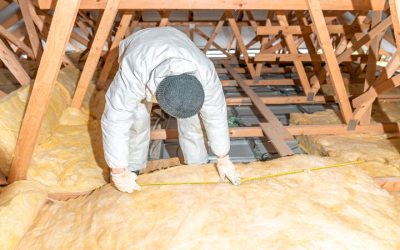
An insulation contractor does more than fill wall cavities. The scope generally includes:
• Inspecting existing insulation levels and identifying air leaks around penetrations, rim joists, and attic access points.
• Recommending a material type based on cavity depth, moisture exposure, and local energy code targets.
• Installing insulation using spray application, blown-in methods, or batts, depending on the area.
• Verifying coverage and air-seal quality after installation.
Air sealing is a companion step to insulation, not an afterthought. According to ENERGY STAR guidance from the U.S. Department of Energy, insulation performs best when air leaks are sealed first, since moving air reduces the effective performance of any insulation material regardless of its rated R-value.
Comparing Insulation Materials Used in Madison, WI, Homes
Different materials suit different parts of a house. The table below outlines common options relevant to Wisconsin’s climate zone.
| Material | Typical R-Value per Inch | Air Sealing Property | Common Use |
| Closed-cell spray foam | R-6.0 to R-7.0 | Yes, acts as air barrier | Basements, rim joists, exterior walls |
| Open-cell spray foam | R-3.5 to R-3.9 | Yes, at sufficient thickness | Attics, interior walls, soundproofing |
| Blown cellulose | R-3.2 to R-3.8 | No, requires separate air sealing | Open attic floors |
| Fiberglass batt | R-2.9 to R-3.8 | No, requires separate air sealing | Standard wall cavities, floors |
Closed-cell spray foam’s higher density and air-barrier properties make it a frequent choice for rim joists and basement walls in homes built before modern energy codes, which describes a large share of Madison’s older housing stock.
Why Insulation Choice Matters for Wisconsin’s Climate
Madison experiences wide seasonal temperature swings, which puts extra demand on a home’s thermal envelope. Recommended attic R-values climb significantly in colder climate zones like Wisconsin’s compared to warmer regions, reflecting the added heat-loss risk in winter.
Three practical consequences follow from this:
1. Under-insulated attics lose heat rapidly during Wisconsin winters, driving up heating costs.
2. Gaps in air sealing let humid summer air infiltrate, straining cooling systems and increasing moisture risk.
3. Insulation that lacks an air-barrier function, such as untreated fiberglass batts, may underperform its rated R-value if leaks are not addressed first.
Evaluating an Insulation Contractor Before Hiring
Not every contractor offers the same materials or inspection process. Homeowners comparing options should ask about:
• Which insulation types are installed and whether the contractor can explain why one suits a specific area of the home.
• Whether a pre-installation inspection includes air leak identification, not just material placement.
• How the contractor documents coverage depth and completed work.
• Whether service is available for both residential and industrial or commercial structures, which can indicate broader technical experience.
The listed offerings for the Madison, WI, service area include spray foam insulation, residential insulation, and industrial insulation installation, based on details published on Foamtech LLC’s business profile.
Frequently Asked Questions
What does an insulation contractor inspect before starting work? A contractor typically checks existing insulation depth, identifies air leaks around penetrations and framing gaps, and evaluates moisture conditions in basements or crawl spaces before recommending a material.
Is spray foam better than fiberglass for Wisconsin homes? Spray foam offers a higher R-value per inch and doubles as an air barrier, which can help in a climate with significant winter heat loss. However, fiberglass remains a lower-cost option for standard wall cavities without major air-leak concerns.
Does insulation work require separate air-leak sealing? Yes, in most cases. Materials without inherent air-barrier properties, such as cellulose or fiberglass, still require separate air sealing to perform at their rated efficiency.
Can one contractor handle both residential and commercial insulation needs? Some contractors serve both sectors; check a business profile or ask directly to confirm whether a company has documented experience with the scope you need.
Insulation decisions affect comfort and long-term utility costs, so it’s worth comparing material options and contractor practices before scheduling work. Readers in Madison, WI, can review publicly listed services and inspection practices as a starting point for that comparison.
Foamtech LLC provides spray foam insulation to homeowners and property managers throughout Madison, WI, without a branch office in that market. Spray foam is one of the services clearly identified on its Madison-area business listing, alongside residential and industrial insulation installation.